


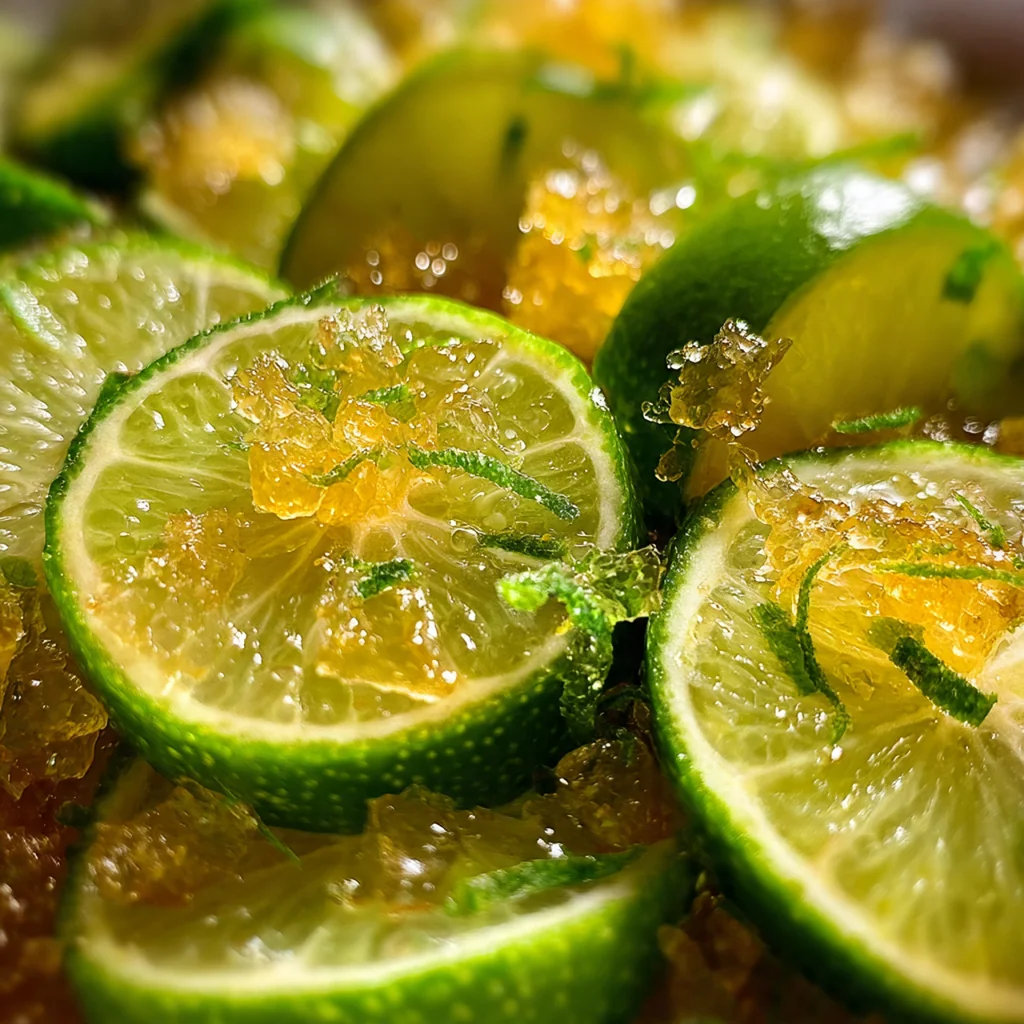
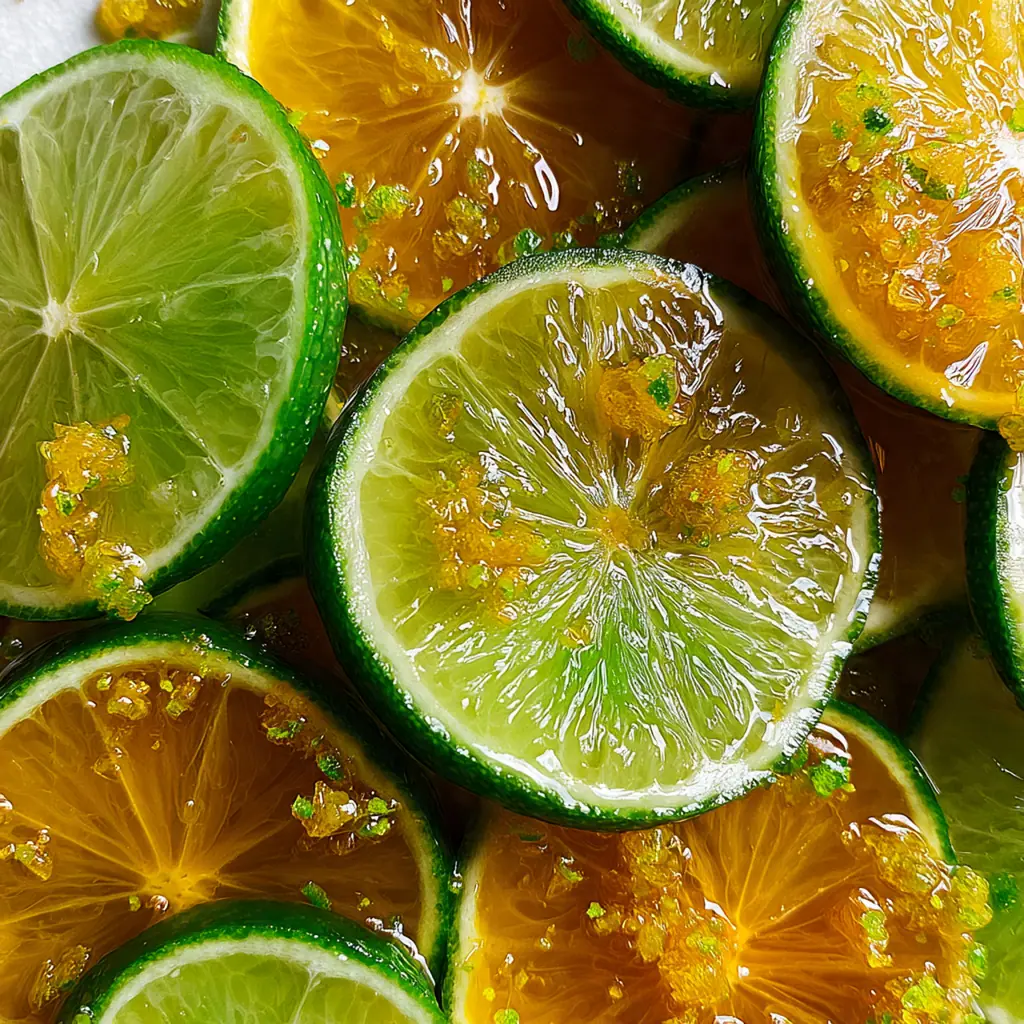
My Lime Marmalade recipe captures sunshine in a jar using whole limes sliced thin for a sweet and tangy citrus burst. This classic English preserve suspends jewel-like pieces of rind in a bright jelly. I’ve adjusted the sugar slightly to let the natural tartness shine through. It’s perfect for toast, scones, or even glazing pork. Making this feels like bottling summer.
Why You'll Love This Recipe
- Uses the whole lime for maximum flavor and beautiful texture
- Significantly less sugar than most traditional recipes
- Firm set with perfect jelly consistency
- Wonderful homemade gift for friends and family
- Keeps for a year, bringing summer flavor to winter months
Ingredients You’ll Need
- Fresh limes: Choose unwaxed organic fruit for the best peel flavor and to avoid stripping chemicals during prep
- Granulated sugar: Provides the sweetness needed to balance the sharp citrus and helps preserve the marmalade safely
- Water: Helps soften the tough lime peels and dissolves the sugar during the cooking process
- Fresh lemon juice: Adds extra pectin and a layer of bright acidity to ensure a good set
- Unsalted butter: A small knob helps reduce foaming during the boil for a clearer final product
How to Make It
Wash and Prep Limes:
Start by washing the limes thoroughly in hot soapy water to remove any wax or residue, then rinse well. Pat them dry with a clean towel. This step ensures you aren’t cooking with treated peel.
Trim and Juice:
Trim the ends off the limes and slice them in half widthwise. Squeeze the juice from the halves, removing and setting aside any pips. Those pips are full of natural pectin, so don’t toss them.
Slice Thinly:
Quarter the lime halves and slice them very thinly, about 1/8-inch thick, including the peel. Discard any hard pith if desired, though the peel is key to good marmalade texture.
Simmer the Base:
Place the sliced limes, any reserved pips, and 4 cups of water into a large, heavy-bottomed pot. Bring to a boil, then reduce heat to low, cover, and let it simmer gently for 1 hour until the rind is tender.
Dissolve Sugar:
Remove the pot from the heat and stir in the sugar and lemon juice until dissolved. If using, add the knob of butter. Stirring off the heat prevents the sugar from sticking and scorching on the bottom.
Boil to Set:
Return the pot to medium-high heat and bring the mixture to a rolling boil. Cook, stirring occasionally, for about 15-25 minutes. Skim off any foam that rises to the surface with a spoon to keep it clear.
Test for Setting Point:
To test if it’s ready, place a small plate in the freezer for 5 minutes. Drop a teaspoon of marmalade onto the cold plate; if it wrinkles when you push it with your finger, it has reached the setting point.
Cool and Rest:
Once set, remove the pot from the heat and let it cool for 5 minutes. This brief rest helps distribute the fruit evenly in the jars so the peel doesn’t all sink to the bottom.
Jar and Seal:
Ladle the hot marmalade into sterilized jars, leaving 1/4-inch headspace at the top. Wipe the rims clean and seal immediately with sterilized lids. Let the jars cool completely; listening for that satisfying ‘ping’ confirms the seal is good.
You Must Know
- Save the lime seeds, they contain natural pectin.
- Use a wide, shallow pan for faster evaporation.
- Clean jars are essential for safe preserving.
- I always keep a pair of tongs handy for handling hot jars safely.
Storage Tips
Once opened, store your marmalade in the refrigerator and use it within 3 months to keep it fresh. Unopened, properly sealed jars can be stored in a cool, dark pantry for up to 1 year. The high sugar content acts as a natural preservative. If you notice the seal has broken on an unopened jar, treat it as refrigerated and use it quickly. I love seeing my pantry lined with these golden jars during the winter.
Ingredient Substitutions
If you can’t find regular limes, key limes work beautifully but you’ll need quite a few more to hit the weight requirement. For a slightly different flavor profile, you can substitute half the limes with regular lemons for a classic marmalade taste. If you are strictly avoiding refined sugar, there are alternative canning recipes using honey or pectin blends, though they result in a softer set than this traditional method.
Serving Suggestions
I love spreading this thick on toasted sourdough or wholegrain bread for a sharp morning treat. It is also delicious swirled into plain yogurt, served with a sharp cheddar cheese, or used as a glaze for pork or chicken. The contrast between the sweet jelly and savory meat is incredible. Try it on a cheese board for a pop of acidity.
Cultural Context
Marmalade is deeply rooted in British preserving traditions, evolving from early methods of preserving citrus fruits that arrived from warmer climates. While many associate it strictly with oranges, lime marmalade offers a sophisticated, sharper twist that has gained popularity with modern palates. It represents the resourcefulness of home cooks who wanted to enjoy bright summer flavors all year long. This recipe honors that tradition while adapting the sugar levels to let the citrus truly shine.
Pro Tips
- For a quicker set, let the sliced limes and water sit overnight to soften naturally.
- If your marmalade is too soft next time, cook it a few minutes longer to reach the gel stage.
- Clean jars are essential: wash in hot soapy water and heat in a 275°F oven for 10 minutes.
- I keep a small freezer plate ready solely for testing batches, it saves time.
Frequently Asked Questions
For the best Lime Marmalade, use unwaxed fresh limes as listed in the ingredients. Key limes add extra tartness, while Persian limes create a milder, sweeter spread. Ensure you have about 2 pounds (8-10 medium limes) to get the right balance of fruit and rind.
Yes, marmalade is designed to be made ahead. Once processed in a water bath, it can be stored in a cool, dark place for up to a year. Once opened, refrigerate and use within 3 months for the best flavor.
Sugar is essential for both the setting point and preservation in this recipe. Reducing it significantly may result in a runny marmalade that spoils faster. If you prefer a lower sugar version, look for recipes specifically designed with low-sugar pectin.
Watch for visual cues. The mixture should reach 220°F (105°C) on a candy thermometer. Alternatively, place a spoonful on a chilled plate; if it wrinkles when pushed with a finger, it’s done. It usually takes about 45 minutes of boiling.
As an English preserve, it is traditionally served on toasted bread, crumpets, or scones for breakfast or afternoon tea. It also makes a wonderful glaze for roasted chicken or a sweet addition to a cheese board.