


Sesame Garlic Ramen Noodles have become my go-to solution for those hectic weeknights when I crave something deeply flavorful yet crave minimal effort. This Asian fusion dish blends toasted sesame oil, aromatic garlic, and savory soy sauce into a silky sauce that clings perfectly to every noodle strand. Unlike the sodium-heavy instant versions, this homemade version lets you control the ingredients while delivering restaurant-quality results. I’ve been making this recipe for years, and it consistently saves dinner when time is tight but taste matters most.
Why You'll Love This Recipe
- Ready in just 25 minutes from start to finish
- Completely customizable with any vegetables or protein in your fridge
- The perfect balance of savory, nutty, and umami flavors that hit every craving
- Better than takeout quality at a fraction of the cost
- Vegan-friendly by default when you swap honey for maple syrup
Ingredients You’ll Need
- Fresh ramen noodles: These have a superior chewy texture that holds sauce beautifully look for them in the refrigerated Asian food section
- Sesame oil: Toasted variety delivers that deep nutty flavor that makes the dish addictive a little goes a long way so use it wisely
- Garlic: Fresh cloves provide pungent aromatic depth avoid pre-minced jars which taste flat and bitter
- Fresh ginger: Bright peppery warmth balances the savory elements choose firm knobs with smooth skin that feel heavy for their size
- Low-sodium soy sauce: Controls saltiness while providing rich umami depth tamari works perfectly for a gluten-free alternative
- Rice vinegar: Adds essential brightness that cuts through the oil and prevents the dish from feeling heavy
- Maple syrup: Natural sweetness rounds out the sharp flavors honey works equally well if you prefer
- Sriracha: Brings gentle heat that can be easily adjusted start with less and add more to match your spice tolerance
- Black pepper: Simple seasoning that enhances all other flavors without overpowering them
- Toasted sesame seeds: Crunchy texture and nutty pops of flavor toast them yourself for maximum impact
- Green onions: Fresh sharp bite and vibrant color slice them thin so they distribute evenly
- Vegetable oil: Neutral cooking base for sautéing prevents burning without adding competing flavors
- Cilantro: Fresh herb that brightens the entire dish use the tender leaves and stems for best texture
- Red pepper flakes: For those who want serious heat add sparingly as the sesame oil carries the spice
- Fried egg: Runny yolk creates an incredible sauce when mixed in use fresh eggs and cook until whites are set but yolk remains liquid
- Grilled chicken: Lean protein that makes the meal substantial slice thinly so it cooks quickly and absorbs the sauce
- Extra sesame oil: Drizzle finish adds glossy shine and final aromatic punch use it just before serving
- Stay focused on the cooking process because timing is everything here. I always prep my sauce and aromatics before the water boils so nothing gets rushed or forgotten. This preparation prevents any last-minute scrambling and ensures every component comes together seamlessly. Having everything measured and ready makes the actual cooking feel almost effortless.
How to Make It
Boil the Water and Prep the Sauce:
Bring a large pot of water to a rolling boil while you whisk together the soy sauce, rice vinegar, maple syrup, sriracha, and black pepper in a small bowl. This simple sauce builds the flavor foundation, so make sure it’s completely combined with no streaks of syrup or spice lingering at the bottom. Set it aside within easy reach of your stove because you’ll add it to the hot pan in just a few minutes.
Prepare the Aromatics:
Mince your garlic cloves finely and grate the fresh ginger using a microplane or the small holes of a box grater. If you’re adding protein like chicken, slice it thinly against the grain now and season it with a pinch of salt and pepper. These small prep steps make the actual cooking process flow smoothly without any interruptions.
Cook Your Protein (If Using):
Heat the vegetable oil in a large skillet or wok over medium-high heat until shimmering, then add your chicken or other protein. Cook for about 5-6 minutes, stirring occasionally, until golden brown and cooked through, then remove it from the pan and set it aside on a plate. You’ll add it back later so it doesn’t overcook and stay juicy.
Sauté the Garlic and Ginger:
Add the sesame oil to the same skillet, letting it warm until it shimmers and looks almost liquid. Immediately add the minced garlic and ginger, sautéing for just 1-2 minutes until fragrant—be extremely careful not to burn the garlic since it turns bitter quickly and can ruin the entire dish. I watch this step like a hawk because the transition from perfectly golden to burnt happens in seconds.
Cook the Noodles to Perfection:
While the aromatics sizzle, drop your ramen noodles into the boiling water. Fresh ramen takes 3-4 minutes to reach that ideal chewy-yet-tender texture, while instant noodles (without their seasoning packets) cook in about 3 minutes. I always test one strand about 30 seconds before the package says it’s done since noodle cooking times can vary.
Combine the Sauce and Aromatics:
Pour your prepared sauce directly into the skillet with the garlic and ginger mixture, stirring to combine with the sesame oil. Let it bubble gently for about 30 seconds—this quick simmer melds the flavors together and slightly thickens the sauce so it clings to the noodles beautifully. You’ll notice the aroma becoming incredibly rich and complex during this brief cooking time.
Reserve Water and Drain the Noodles:
Just before the noodles finish cooking, scoop out about 1/2 cup of the starchy pasta water using a ladle or heatproof measuring cup, then drain the noodles thoroughly. That starchy water is liquid gold—it acts as a natural emulsifier that helps the sauce coat every single strand evenly and creates that glossy, restaurant-style finish.
Toss Everything Together:
Immediately add the hot, drained noodles to the skillet with the sauce and toss vigorously using tongs for 1-2 minutes, lifting and flipping to coat each strand completely. If the sauce seems too thick or sticky, add a splash of that reserved pasta water to loosen it to your desired consistency. This is where the magic happens and the noodles absorb all those incredible flavors.
Finish and Garnish:
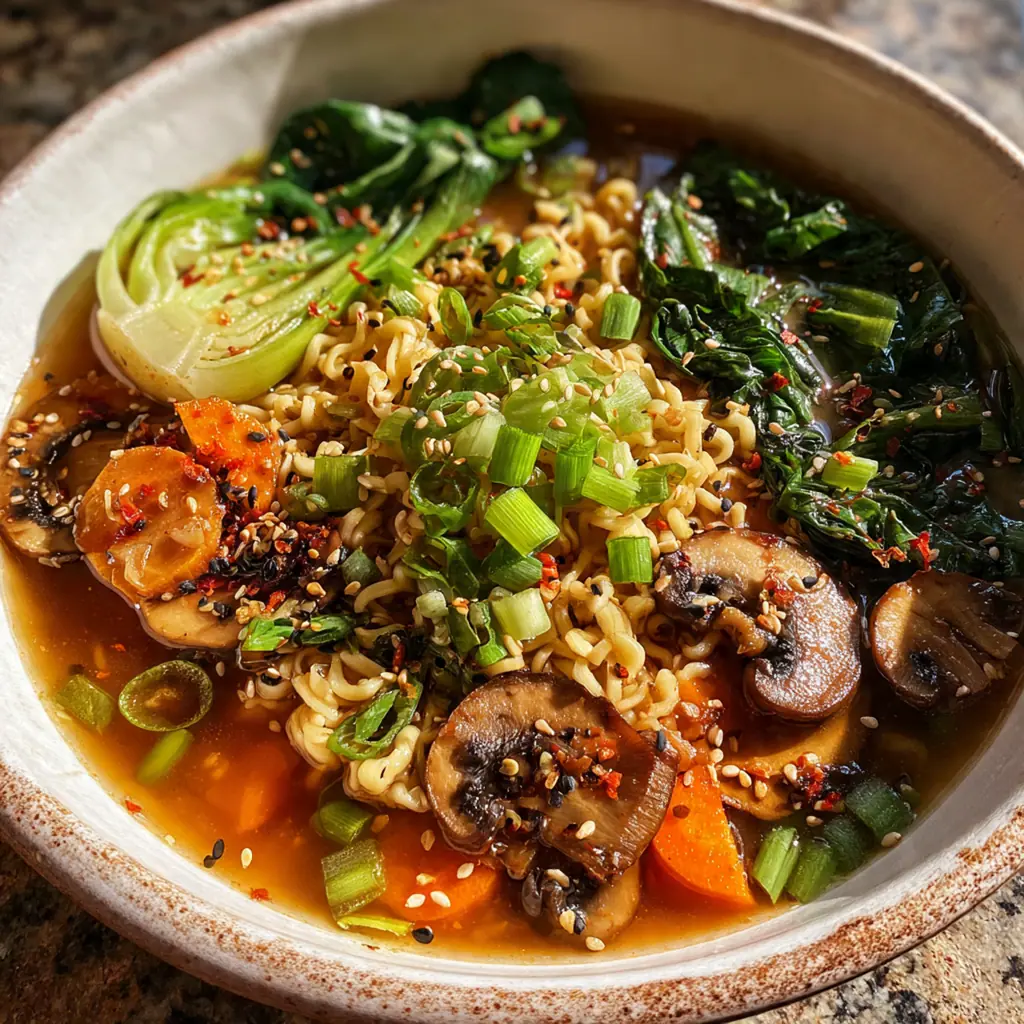
Remove the skillet from the heat, then add the toasted sesame seeds and most of the sliced green onions, reserving a handful for a fresh garnish. Toss once more to distribute everything evenly, then taste and adjust the seasoning with more soy sauce for saltiness, rice vinegar for brightness, or sriracha for heat as needed. Transfer to serving bowls and top with the reserved green onions, optional cilantro, and an extra drizzle of sesame oil if you’re feeling indulgent.
You Must Know
- Fresh noodles have a different cooking time than instant ones so always check package direct…
- Don’t overcrowd your skillet because noodles need space to move and coat evenly
- The reserved pasta water is essential for creating that silky sauce texture
- Add protein at the end so it doesn’t get overcooked while you’re working on other steps
- I always make extra sauce because leftover noodles taste even better the next day
Storage Tips
Store any leftovers in an airtight container in the refrigerator for up to three days, though the noodles will continue absorbing sauce as they sit. When you’re ready to reheat, warm them gently in a skillet over medium heat with a splash of water or extra soy sauce to loosen everything back up—this preserves the texture much better than the microwave. If you must use the microwave, do it in short intervals and stir frequently to prevent hot spots. Freezing isn’t recommended since the noodles become mushy and lose their pleasant chewiness when thawed.
Ingredient Substitutions
For a soy-free version, substitute tamari or coconut aminos in equal amounts—they provide similar umami depth without the soy allergen. If you’re avoiding sesame, swap the sesame oil for olive oil and simply omit the sesame seeds while adding extra green onions or some crushed peanuts for texture. Rice noodles or gluten-free ramen work perfectly for a gluten-free alternative, though you might need to adjust cooking times slightly. Any neutral oil can replace the vegetable oil, and for sweetness, both agave nectar and brown sugar work in place of maple syrup or honey.
Serving Suggestions
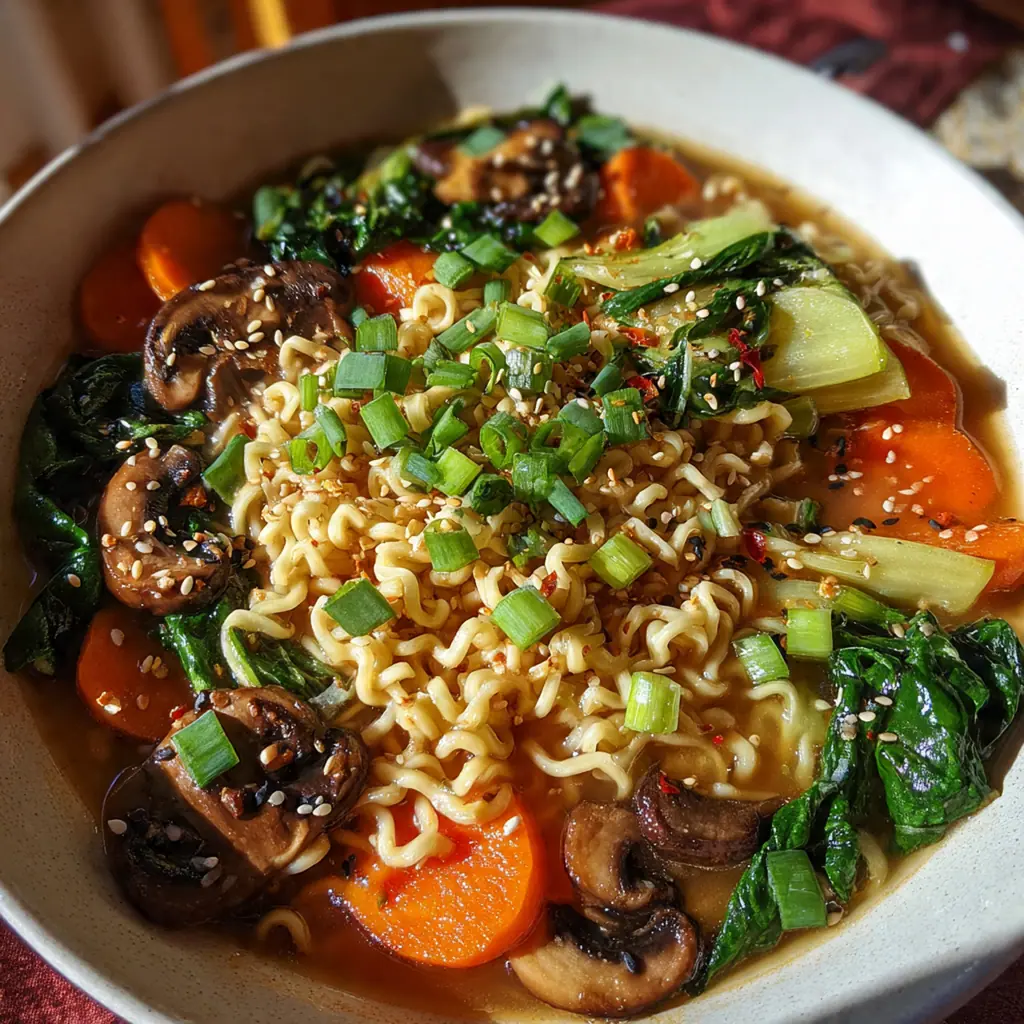
I love serving these noodles alongside steamed broccoli florets or sautéed bok choy for added vegetables and color contrast. For a more complete meal, pair them with homemade gyoza, crispy spring rolls, or a simple cucumber salad dressed with rice vinegar and sesame oil. If you’re feeding heartier appetites, top each bowl with a jammy soft-boiled egg, crispy tofu cubes, or those grilled chicken slices you cooked earlier. The noodles also make an excellent side dish for teriyaki salmon or miso-glazed cod if you’re planning a full Japanese-inspired dinner spread.
Cultural Context
While ramen originated as a Japanese noodle soup, this stir-fry style reflects the beautiful evolution of Asian cuisine as it traveled and adapted across continents. The combination of sesame oil, garlic, and soy sauce echoes classic Chinese noodle preparations, while the quick-cooking method respects both modern time constraints and traditional wok techniques. What makes this particular version special is how it balances authentic flavors with accessible ingredients—you don’t need specialty shops or rare components to create something that tastes genuinely satisfying. It represents the modern home cook’s interpretation of street food comfort, where convenience meets authentic flavor without compromising on quality or that deeply umami-rich experience that makes sesame garlic ramen noodles so craveable.
Pro Tips
- Toast your own sesame seeds in a dry pan for 2-3 minutes until golden and fragrant—the flavo…
- Don’t skip the pasta water! The starch helps the sauce cling to noodles beautifully and crea…
- Use fresh garlic and ginger for the best flavor—pre-minced jarred versions just don’t hit th…
- For restaurant-style texture, spread noodles flat in the hot skillet for 30 seconds before s…
- I always double the sauce recipe because leftover noodles taste incredible reheated with a t…
- My personal secret is adding a tiny splash of toasted sesame oil right at the very end, afte…
Frequently Asked Questions
Yes, absolutely! You can use 4 packets of instant ramen noodles, just be sure to discard the seasoning packets. For the best texture, fresh ramen noodles are recommended, but instant noodles work perfectly in a pinch.
Store leftovers in an airtight container in the refrigerator for up to 3 days. The noodles may absorb some sauce, so toss them with a splash of warm water or extra soy sauce when reheating to loosen them up.
For a gluten-free option, use tamari or coconut aminos instead of low-sodium soy sauce. You can also use liquid aminos. The flavor profile will remain savory and rich, though slightly different in taste.
The sauce is ready when the garlic and ginger are fragrant and sizzling, usually after about 1-2 minutes of sautéing. Once you mix in the soy sauce, vinegar, and maple syrup, it should thicken slightly and become glossy immediately.
These noodles pair wonderfully with Asian-inspired sides. Try serving them with crispy tofu, steamed bok choy, or a simple cucumber salad. For added protein, top with a fried egg or grilled chicken.