

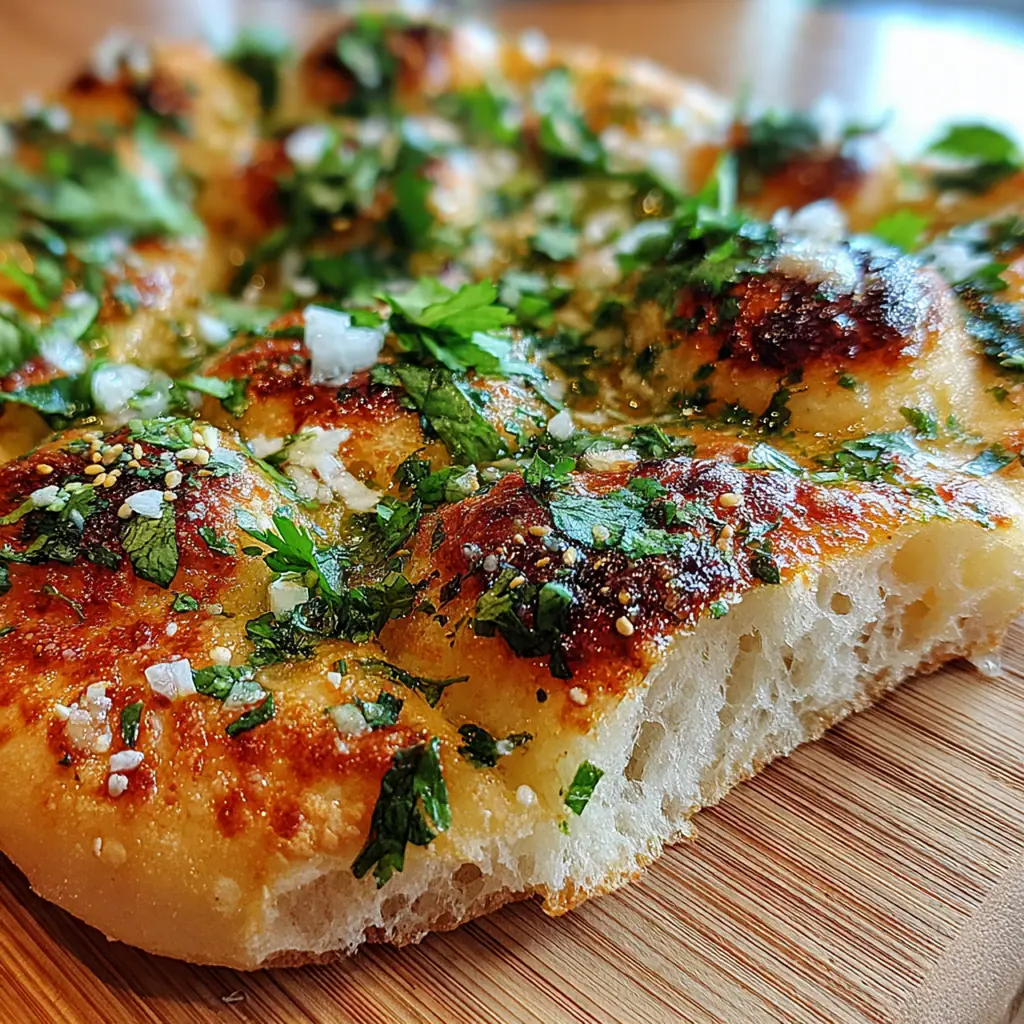
Authentic Sourdough Naan Bread has completely changed how I approach flatbreads in my kitchen. Using your fermented starter gives these rounds an incredible depth of flavor and that signature chewy texture you just can’t get from yeast alone. The natural fermentation creates beautiful bubbles and a slight tang that pairs perfectly with rich Indian curries. Making this sourdough naan at home is surprisingly simple and far better than anything you can buy at the store.
Why You'll Love This Recipe
- The sourdough starter creates an incredible depth of flavor that yeast just can’t replicate
- Soft, pillowy interior with beautiful charred bubbles and authentic chew
- Surprisingly simple to make at home with basic ingredients
- Way better than restaurant naan and freezes beautifully for quick meals
- Perfect vehicle for scooping up your favorite curries and dals
- I make a double batch every weekend and my family goes wild
Ingredients You’ll Need
- Active sourdough starter: Must be bubbly and at peak rise for the best fermentation and bubbles. Feed it 4-6 hours before using for maximum activity.
- All-purpose flour: Provides structure and softness. Look for unbleached flour for better flavor development in your sourdough naan.
- Whole milk: Warm milk creates tenderness and richness. Whole milk gives the best texture, but always warm it to about 100°F.
- Plain full-fat yogurt: Adds tang and softness to the dough. Full-fat Greek yogurt works great and creates extra tender naan.
- Olive oil: Enriches the dough and prevents sticking. Use good quality olive oil for the best flavor in your flatbread.
- Granulated sugar: Feeds the starter and adds subtle sweetness. Just a touch helps with browning and balancing flavors.
- Fine sea salt: Essential for flavor enhancement. Fine salt distributes evenly throughout your sourdough naan dough.
- Baking powder: Works with the starter for extra lift. Don’t skip this or you’ll miss those signature puffy bubbles.
- Baking soda: Reacts with the fermented dough for puff. This creates the classic naan texture when cooked at high heat.
- Melted butter: For brushing the hot naan immediately after cooking. Butter adds richness and helps the herbs stick.
- Fresh cilantro: Bright, herbaceous garnish that’s classic with Indian flatbreads. Chop it fresh for the best aroma and flavor.
- Minced garlic: Optional but essential for garlic naan. Press it into the dough before cooking for maximum flavor infusion.
- Sesame seeds: Optional topping for nutty crunch and visual appeal. Toast them lightly before sprinkling for deeper flavor.
- Nigella seeds: Optional traditional topping with oniony flavor. These black seeds are classic on authentic naan bread.
- Melted ghee: Richer alternative to butter with nutty notes. Ghee is traditional and adds authentic Indian flavor.
How to Make It
Mix The Wet Ingredients:
In a large mixing bowl, combine your active sourdough starter, warm milk, yogurt, olive oil, and sugar. Whisk everything together until smooth and completely combined. This mixture creates the foundation for your sourdough naan and the warm milk helps activate the fermentation process.
Add The Dry Ingredients:
Add the flour, salt, baking powder, and baking soda directly to the bowl with your wet mixture. Use a wooden spoon to mix until a shaggy dough forms, then turn it out onto a lightly floured surface. The dough will look rough at first but will come together beautifully during kneading.
Knead To Perfection:
Knead the dough for 6-8 minutes until it becomes smooth, elastic, and slightly tacky but not sticky. If it feels too sticky, add flour one tablespoon at a time. Your sourdough naan dough should feel soft and pillowy, not dry or stiff. I usually judge it by how it feels in my hands.
Bulk Fermentation:
Place the dough in a lightly oiled bowl and cover with a damp towel or plastic wrap. Let it rest at room temperature for 1-2 hours until it rises slightly and becomes more airy. This is where the sourdough magic happens and develops that incredible flavor you’ll taste in every bite.
Divide And Rest:
After bulk fermentation, punch down the dough gently and divide it into 8 equal pieces about 85 grams each. Roll each piece into a smooth ball and let them rest covered for 15 minutes. This short rest makes rolling much easier and helps the gluten relax.
Heat Your Pan:
While the dough balls rest, heat a cast iron skillet or heavy-bottomed pan over medium-high heat until it reaches about 400°F. Your pan must be hot before you start cooking – this is crucial for getting those signature bubbles and charred spots on your sourdough naan.
Roll And Cook:
Take one dough ball and roll it into an oval or teardrop shape about 1/4-inch thick. If making garlic naan, press minced garlic into the surface now. Place the rolled naan in the hot dry skillet and cook for 1-2 minutes until large bubbles form and golden-brown spots appear on the bottom.
Flip And Finish:
Flip the naan and cook for another 1-2 minutes on the second side until puffed and spotted with brown patches. Press gently with a spatula to encourage even cooking and those beautiful bubbles. Remove from heat and immediately brush with melted butter, then sprinkle with cilantro or your chosen toppings.
Serve And Enjoy:
Stack your cooked naan under a clean kitchen towel to keep them warm and soft while you finish the remaining pieces. Serve your sourdough naan immediately while warm and pliable. The steam trapped under the towel keeps them tender and makes them perfect for tearing and scooping.

You Must Know
- Your starter must be recently fed and at peak rise for the best bubbles and rise
- Don’t skip the baking powder and soda – they work with the starter to create puff
- The dough should feel tacky but not stick to clean fingers; too much flour makes tough naan
- Cast iron or stainless steel works best – non-stick won’t give you those beautiful charred s…
- I keep a spray bottle of water nearby to splash the pan if my kitchen is too dry
Storage Tips
Cool your sourdough naan completely before storing to prevent condensation from making them soggy. Place them in an airtight bag at room temperature for up to 2 days, or refrigerate for up to 1 week if your kitchen is warm. For longer storage, separate each naan with parchment paper and freeze for up to 3 months. I love having a stash in my freezer for quick weeknight meals. To reheat, use a dry skillet for about 1 minute per side until warm and pliable, or wrap in a damp paper towel and microwave for 20 seconds to restore that fresh-baked softness.
Ingredient Substitutions
If your sourdough starter isn’t ready, you can use active dry yeast (about 2 teaspoons) mixed with warm water and let it bubble before proceeding, though you’ll lose some of that signature tang. For dairy-free sourdough naan, substitute the milk with plant-based milk like oat or almond milk, use coconut yogurt instead of dairy yogurt, and brush with olive oil or vegan butter instead of regular butter. The flavor will be slightly different but still delicious. You can also swap all-purpose flour for bread flour for extra chewiness, or use a 50/50 blend with whole wheat flour for more nutty flavor and fiber, though you may need slightly more liquid.
Serving Suggestions
Serve your warm sourdough naan alongside classic Indian dishes like butter chicken, chana masala, or dal makhani – they’re perfect for scooping up every last bit of sauce. Brush them with garlic butter for incredible garlic naan, or serve plain with a cooling yogurt dip and tangy pickled onions. I love using leftover naan for breakfast wraps filled with scrambled eggs and chutney, or as pizza bases for mini individual pizzas that the kids adore.
Cultural Context
Naan has been a staple in Indian cuisine for centuries, traditionally cooked in blazing hot tandoor ovens that reach temperatures over 800°F, creating that signature charred exterior and soft, chewy interior. The use of sourdough starter instead of commercial yeast gives this recipe an even deeper connection to ancient bread-making traditions, as fermentation was the original leavening method. While authentic tandoor cooking is hard to replicate at home, using a cast iron skillet on high heat gets you remarkably close to that smoky, bubbly texture that makes naan so beloved across South Asia.

Pro Tips
- Keep your cooked naan wrapped in a clean kitchen towel to trap steam and keep them soft whil…
- If your naan isn’t bubbling, your pan isn’t hot enough or the dough is too thick – get that …
- Make your dough balls slightly smaller than you think – they’ll be easier to roll thin and c…
- I like to brush the back of each naan with water before cooking for extra steam and softness
- Don’t over-flour your rolling surface; a little stickiness is good and creates better texture
Frequently Asked Questions
Yes, though the texture changes slightly. The baking powder in this recipe provides extra lift and fluffiness alongside your sourdough starter. Without it, your naan will be flatter and denser, but still delicious. If you must skip it, increase the baking soda slightly to 3/4 teaspoon for better rise.
Over-kneading or over-cooking are the main culprits. This dough needs minimal handling—just bring it together until smooth. Cook over medium-high heat for 1-2 minutes per side; longer cooking dries them out. The yogurt and milk should provide plenty of moisture. Also ensure your starter isn’t over-ripe.
Warm milk around 100°F works perfectly. This temperature activates the yeast in your starter without killing it, and helps the dough come together smoothly. Too hot (over 110°F) will damage your starter; too cold makes the dough stiff and harder to work with. Use a thermometer or test on your wrist—it should feel slightly warm, not hot.
The bubbles form naturally from fermentation and heat. First, ensure your starter is active and bubbly at peak. Second, let the rolled dough rest for 10 minutes before cooking—this relaxes the gluten. Finally, cook on very high heat in a cast iron skillet. The rapid steam creation causes those authentic bubbles to form on the surface.
Traditional naan relies on gluten for its chewy texture, but you can try a 1:1 gluten-free flour blend with xanthan gum. The result will be more delicate and less chewy. Consider adding an extra tablespoon of yogurt for binding. The fermentation from your sourdough starter will still provide great flavor, but the texture differs significantly from the original.