


Our smothered turkey wings gravy recipe is a soul-satisfying Southern classic that transforms humble wings into a feast. This dish is all about patience and deep flavor, with turkey wings braised until the meat practically falls from the bone into a rich, savory gravy. It’s the kind of meal that turns an ordinary dinner into a cozy family gathering, filling your home with the most incredible aroma. Once you taste that gravy, you’ll understand why this comfort food has been a staple for generations.
Why You'll Love This Recipe
- Fork-tender meat that pulls away with just a gentle tug
- An incredibly rich and savory gravy that’s packed with flavor
- It makes your kitchen smell like a Southern grandmother’s house
- Perfect for feeding a crowd or for amazing leftovers
- This is my go-to dish when I need a hug on a plate
Ingredients You’ll Need
- Turkey wings, split at joints: These are the star, providing rich, dark meat that becomes incredibly tender with long, slow cooking. Look for wings with smooth, unblemished skin and a good amount of meat.
- Salt: The essential seasoning that enhances every single flavor in the pot, making the turkey and gravy taste their absolute best.
- Black pepper: Adds a warm, aromatic heat that complements the savory notes without overpowering the dish.
- Garlic powder: Provides a consistent, mellow garlic flavor that infuses the meat and gravy from the inside out.
- Onion powder: Delivers a sweet, concentrated onion essence that builds a foundational layer of flavor in the seasoning rub.
- Paprika: Offers a subtle sweetness and a beautiful red hue to the exterior of the seared turkey wings.
- All-purpose flour: This is your thickening agent, creating a roux for the gravy and a crispy coating when you dredge the wings.
- Vegetable oil: A neutral oil with a high smoke point that’s perfect for getting a deep, golden sear on the turkey without burning.
- Yellow onion, sliced: Cooks down to become sweet and soft, adding body and a natural sweetness to the gravy base.
- Garlic, minced: Fresh garlic brings a pungent, aromatic punch that brightens the entire dish and smells amazing while cooking.
- Chicken or turkey broth: Forms the liquid foundation of your gravy, adding savory depth and moisture for braising. Low-sodium lets you control the salt.
- Dried thyme: Its earthy, slightly floral notes are classic in Southern braises and pair perfectly with poultry and onions.
- Bay leaves: These aromatic leaves impart a complex, woodsy flavor to the braising liquid that you simply can’t replicate with anything else.
- Heavy cream (optional): Stirred in at the end, it creates a luxuriously smooth and rich gravy with a velvety texture.
- Fresh parsley, chopped (optional): A vibrant, fresh garnish that adds a pop of color and a clean, herbal note to cut the richness.
How to Make It
Dry and Season the Wings:
Start by patting the turkey wings completely dry with paper towels. This is a non-negotiable step because any surface moisture will steam the skin instead of letting it get beautifully crisp. In a small bowl, mix together your salt, pepper, garlic powder, onion powder, and paprika, then rub this blend all over every nook and cranny of the wings. You’re building flavor from the very first moment.
Dredge in Flour:
Pour your flour into a shallow dish. Take each seasoned wing and press it into the flour, coating all sides evenly. Lift the wing and give it a gentle shake over the dish to remove any loose, excess flour. That leftover flour isn’t wasted – you’ll use it later to help thicken your gravy. Set the coated wings aside on a plate.
Sear to Golden Perfection:
Heat the oil in your heavy pot over medium-high heat until it shimmers. Carefully add the wings in a single layer, working in batches if you need to avoid crowding. Let them sear undisturbed for a few minutes until they develop a deep, golden-brown crust on one side, then flip and repeat. This browning isn’t just for looks; it creates incredible fond on the bottom of the pot that becomes the soul of your gravy.
Build Your Gravy Base:
Reduce the heat to medium and add the sliced onions to the pot. Stir them occasionally, letting them soften and turn translucent which brings out their natural sweetness. After about five minutes, add the minced garlic and stir for just another minute until it becomes fragrant. Now, sprinkle in that reserved dredging flour (or about a tablespoon) right over the onions and garlic.
Create the Roux and Deglaze:
Stir the flour into the onions constantly for a minute or two. You’re cooking out the raw flour taste and toasting it slightly to create a simple roux. This is what will thicken your gravy. Very gradually, start pouring in your broth while you keep stirring. As you pour, you’ll loosen all those delicious browned bits from the bottom of the pot – that’s pure flavor. Stir in the thyme and drop in the bay leaves.
Braise Low and Slow:
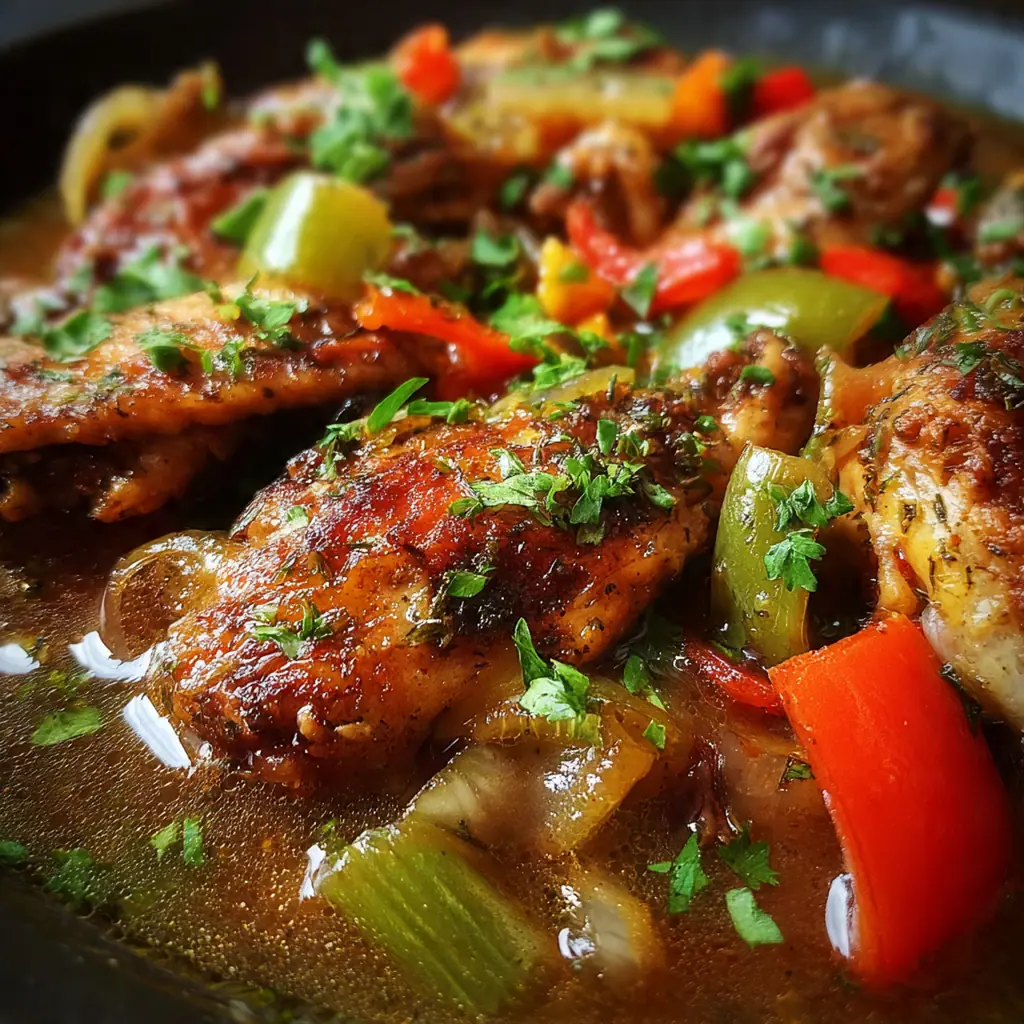
Return the seared turkey wings and any juices on their plate back to the pot. Bring the liquid up to a gentle boil, then immediately reduce the heat to the lowest setting. Cover the pot with a tight-fitting lid and let it simmer gently. This long, slow braise is what transforms tough connective tissue into gelatin, making the meat incredibly tender and the gravy silky.
Finish and Adjust:
After about two hours, check for tenderness; the meat should pull away from the bone easily. If you’re using the heavy cream, stir it in now and let everything simmer uncovered for another five minutes to meld and thicken slightly. Taste your gravy – this is your moment to adjust with a pinch more salt or pepper if it needs it. Don’t forget to fish out and discard the bay leaves before serving.
Serve and Enjoy:
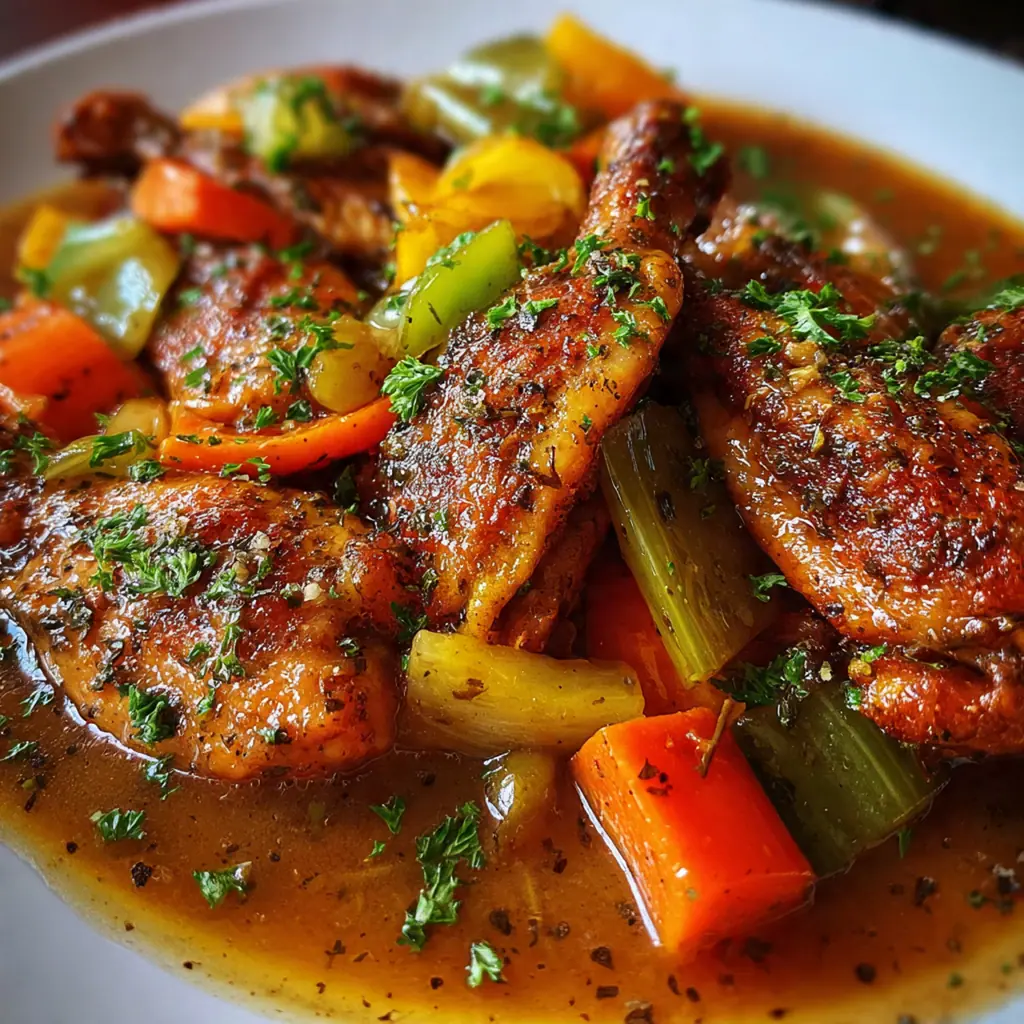
Ladle the smothered turkey wings and plenty of that glorious gravy into shallow bowls. The gravy is the star, so don’t be shy with it. A sprinkle of fresh parsley on top adds a beautiful finishing touch. Then, just dig in and savor the incredible results of your patience.
You Must Know
- That initial sear is non-negotiable for flavor
- Low and slow braising is the secret to tenderness
- Taste and adjust the gravy at the very end
- Leftovers are arguably even better the next day
- I always make a double batch of the gravy
Storage Tips
Let your smothered turkey wings cool to room temperature before storing them in an airtight container in the fridge, where they’ll keep beautifully for up to four days. The flavors actually deepen overnight, making the leftovers something to look forward to. When you’re ready to reheat, do it gently on the stovetop over low heat, adding a splash of broth or water to loosen the gravy back up. You can also freeze the whole dish for up to three months; just thaw it overnight in the fridge before reheating the same way.
Ingredient Substitutions
If you can’t find split turkey wings, you can ask your butcher to halve whole ones, or use turkey drumsticks which will require a similar cook time. For the broth, a good quality stock cube dissolved in water works in a pinch, though homemade is always superior. Don’t have dried thyme? A teaspoon of dried oregano or a couple of sprigs of fresh thyme will do the trick. To make this gluten-free, swap the all-purpose flour for a certified gluten-free blend or even cornstarch for thickening. And if you’re out of heavy cream, a splash of whole milk or even a dollop of sour cream stirred in at the end will still add richness.
Serving Suggestions
You’ll want something to soak up every last drop of that incredible gravy, so I always serve these smothered turkey wings over a big pile of creamy mashed potatoes or a mound of steamed white rice. For a true Southern spread, add a side of braised collard greens or slow-cooked green beans with a bit of smoked turkey. A simple, crisp salad with a tangy vinaigrette provides a nice contrast to the rich, hearty main. And don’t forget a slice of cornbread or a fluffy biscuit on the side for mopping up your plate.
Cultural Context
This dish sits firmly in the tradition of Southern smothered foods, a cooking technique where meat is seared and then braised in a gravy until it’s falling apart tender. It’s a hallmark of resourcefulness and comfort, transforming less expensive, tough cuts into something extraordinary through patience and low heat. You’ll find similar philosophies in dishes like smothered pork chops, chicken, or even cube steak throughout the American South, where a rich, flavorful gravy is considered a essential component of the plate. It’s food that’s meant to be shared, to fill bellies, and to make a house feel like a home, often passed down through families without ever needing a written recipe.
Pro Tips
- Pat those wings bone-dry for the best sear
- Let the roux cook for a full minute to lose its raw taste
- Simmer with the lid on to keep all the moisture in
- If your gravy is thin, a quick flour slurry will fix it
- I always make extra gravy because everyone wants more
Frequently Asked Questions
Absolutely. Chicken broth works perfectly for smothered turkey wings gravy and is often more readily available. It provides a rich, savory base that complements the turkey beautifully. For the deepest flavor, a homemade or low-sodium turkey broth is ideal, but chicken broth is a fantastic and common substitute.
Yes, smothered turkey wings gravy actually tastes better the next day as the flavors continue to meld. Let it cool completely, then store it covered in the refrigerator for up to 3 days. Reheat gently on the stovetop, adding a splash of broth if the gravy has thickened too much.
If you don’t have dried thyme, you can use 3-4 fresh thyme sprigs, adding them whole with the bay leaves for easier removal. Alternatively, a teaspoon of poultry seasoning or a pinch of dried rosemary can provide a similar aromatic, savory note to the gravy.
The turkey wings are ready when the meat is incredibly tender and pulls away from the bone easily with a fork. This typically takes about 2 hours of braising. The gravy should be rich, thickened, and deeply colored from the browned bits and seasonings.
This Southern classic pairs beautifully with sides that soak up the delicious gravy. Serve it over creamy mashed potatoes, fluffy white rice, or with a side of buttered egg noodles. For vegetables, try collard greens, black-eyed peas, or steamed green beans to complete the meal.