

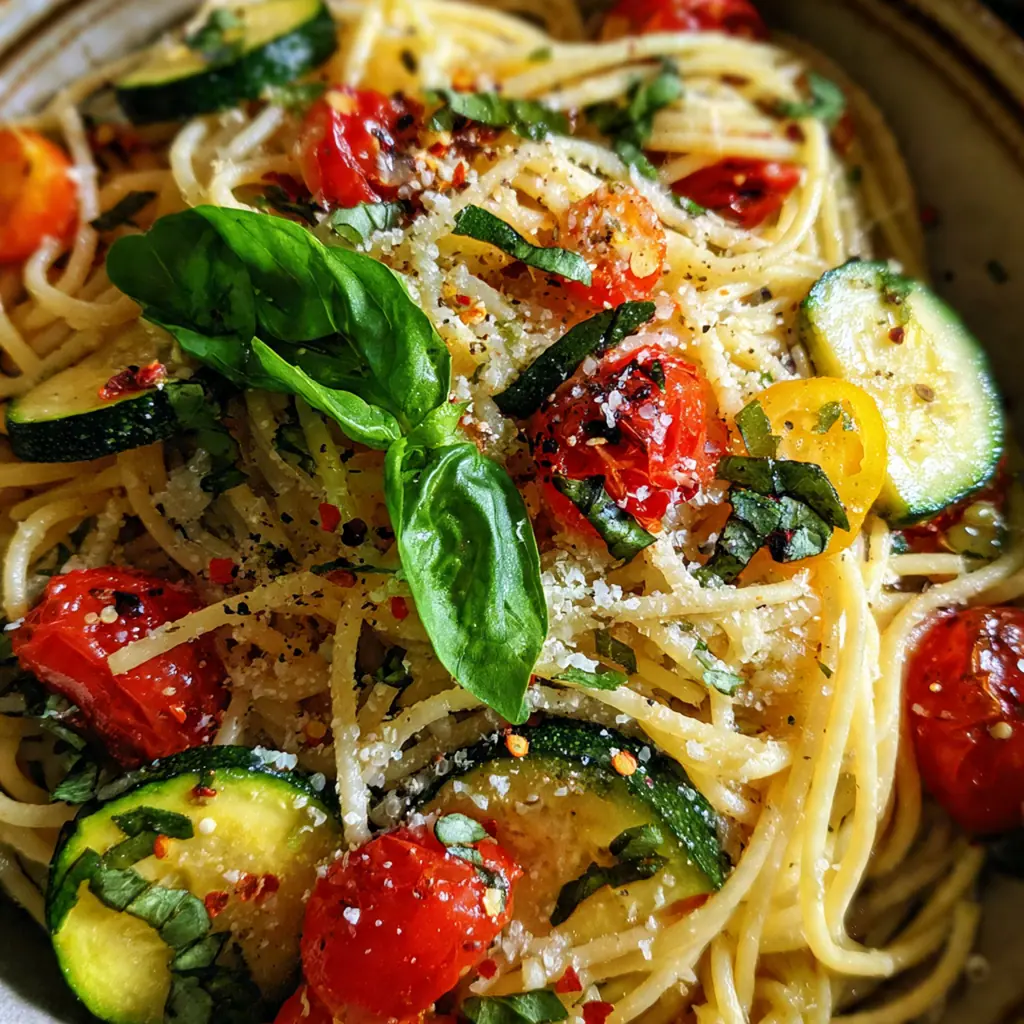
This Gluten Free Summer Spaghetti is the dish I crave when the evenings are warm and the garden is full. It’s my take on a classic Italian pasta primavera, celebrating the season’s best with minimal effort. The combination of fresh herbs, sweet tomatoes, and a bright lemon sauce creates a symphony of fresh flavors that feels both light and satisfying. It’s a gluten-free spaghetti recipe that proves simple ingredients can make the most memorable meals.
Why You'll Love This Recipe
- You’ll have a vibrant dinner on the table in about 30 minutes
- It’s packed with colorful vegetables for a healthy and satisfying meal
- Naturally gluten-free and easy to adapt for a vegan diet
- The lemon and fresh herbs make every bite taste like sunshine
- My family requests this weekly all summer long
Ingredients You’ll Need
- Gluten-free spaghetti: Choose a brand made from brown rice or corn for the best texture that holds up to sauce, look for one that cooks al dente.
- Extra-virgin olive oil: It forms the base of the light sauce and adds fruity notes, a good quality oil makes a noticeable difference.
- Garlic: Thinly sliced cloves infuse the oil with aromatic flavor without burning, creating the foundation of the dish.
- Red pepper flakes: They provide a gentle warmth that lingers in the background without overwhelming the fresh vegetables.
- Cherry tomatoes: Halved, they burst and release their sweet juices to create a light, simmered sauce in the pan.
- Yellow squash: Diced, it adds a tender, slightly sweet element and soaks up all the delicious garlicky flavors.
- Zucchini: Julienned or spiralized, it stays crisp-tender and adds beautiful texture, don’t overcook it.
- Fresh basil leaves: Torn at the last minute, they give that iconic summery aroma and a touch of sweetness.
- Fresh mint leaves: Chopped, they add an unexpected bright and cooling note that pairs perfectly with lemon.
- Pecorino Romano cheese: Grated, it adds a salty, tangy punch that brings all the flavors together seamlessly.
- Lemon: Both zest and juice are essential, they provide the bright, acidic backbone that makes the dish pop.
- Salt and black pepper: They season and balance, use flaky sea salt and freshly ground pepper for the best taste.
- Toasted pine nuts: They’re an optional garnish that adds a delightful crunch and rich, buttery flavor.
How to Make It
Boil and Salt the Pasta Water:
Start by bringing a large pot of water to a rolling boil, then salt it generously. This is your only chance to season the pasta itself, so don’t be shy. Cook your gluten-free spaghetti according to the package directions until it’s just al dente.
Reserve the Pasta Water:
Before you drain the pasta, scoop out about one cup of the starchy cooking water. This liquid is like liquid gold for your sauce, helping it cling to every strand of spaghetti and creating a silky, cohesive texture.
Sauté the Aromatics:
While the pasta cooks, heat two tablespoons of olive oil in a large skillet over medium heat. Add the sliced garlic and red pepper flakes, cooking just until they become fragrant and sizzle. You want to wake up their flavors without letting the garlic brown.
Cook the Vegetables:
Toss in the halved cherry tomatoes and diced yellow squash. Let them cook for several minutes, stirring occasionally, until the tomatoes start to soften and release their juices. This creates the base of your light, fresh sauce right in the pan.
Add the Zucchini:
Stir in the julienned zucchini and cook for just a couple more minutes. The goal here is to warm it through while keeping a pleasant crunch. Overcooking will make it mushy, so be quick.
Combine Pasta and Sauce:
Reduce the heat to low and add the drained spaghetti directly to the skillet with the vegetables. Toss everything together, adding splashes of the reserved pasta water a little at a time until the sauce lightly coats every strand.
Finish with Freshness:
Take the skillet off the heat immediately. Stir in the remaining olive oil, torn basil, chopped mint, lemon zest, lemon juice, and half of the cheese. This step preserves the vibrant color and fresh taste of the herbs and citrus.
Season and Serve:
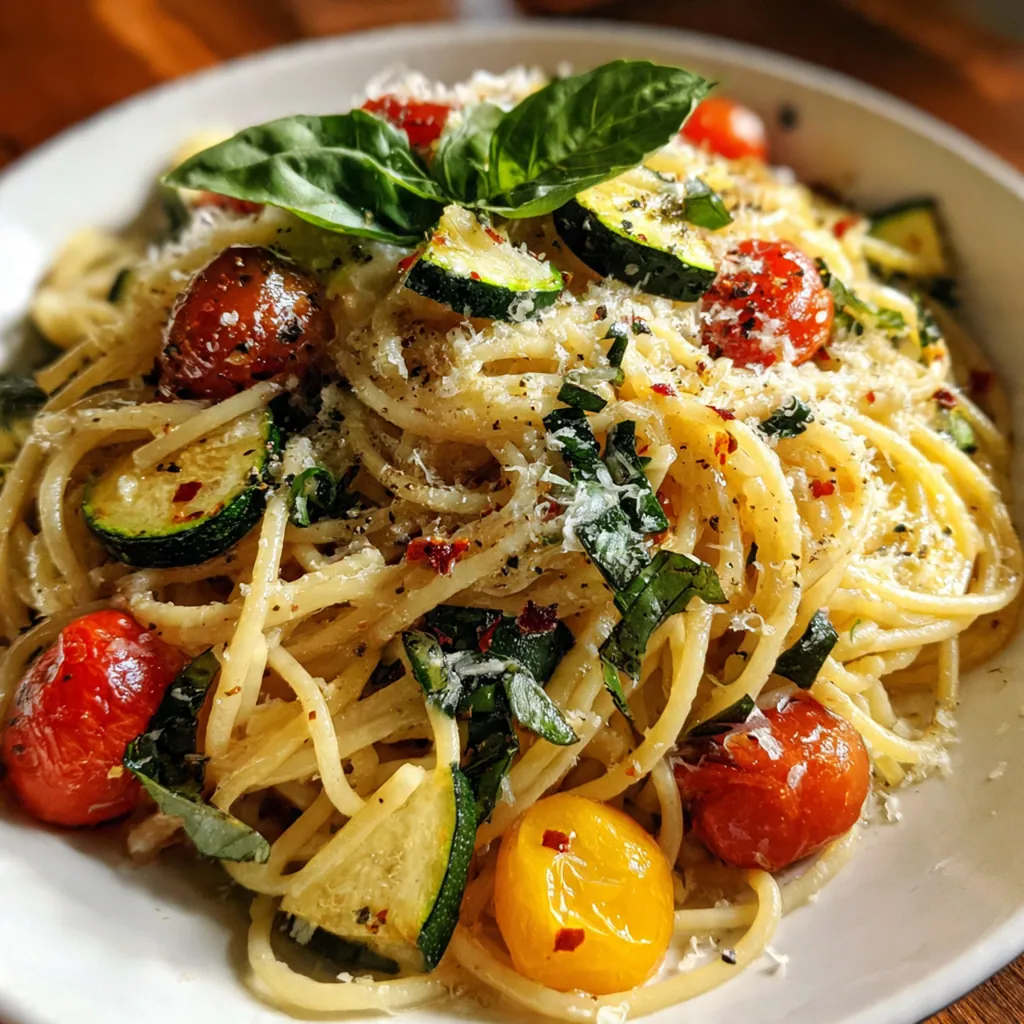
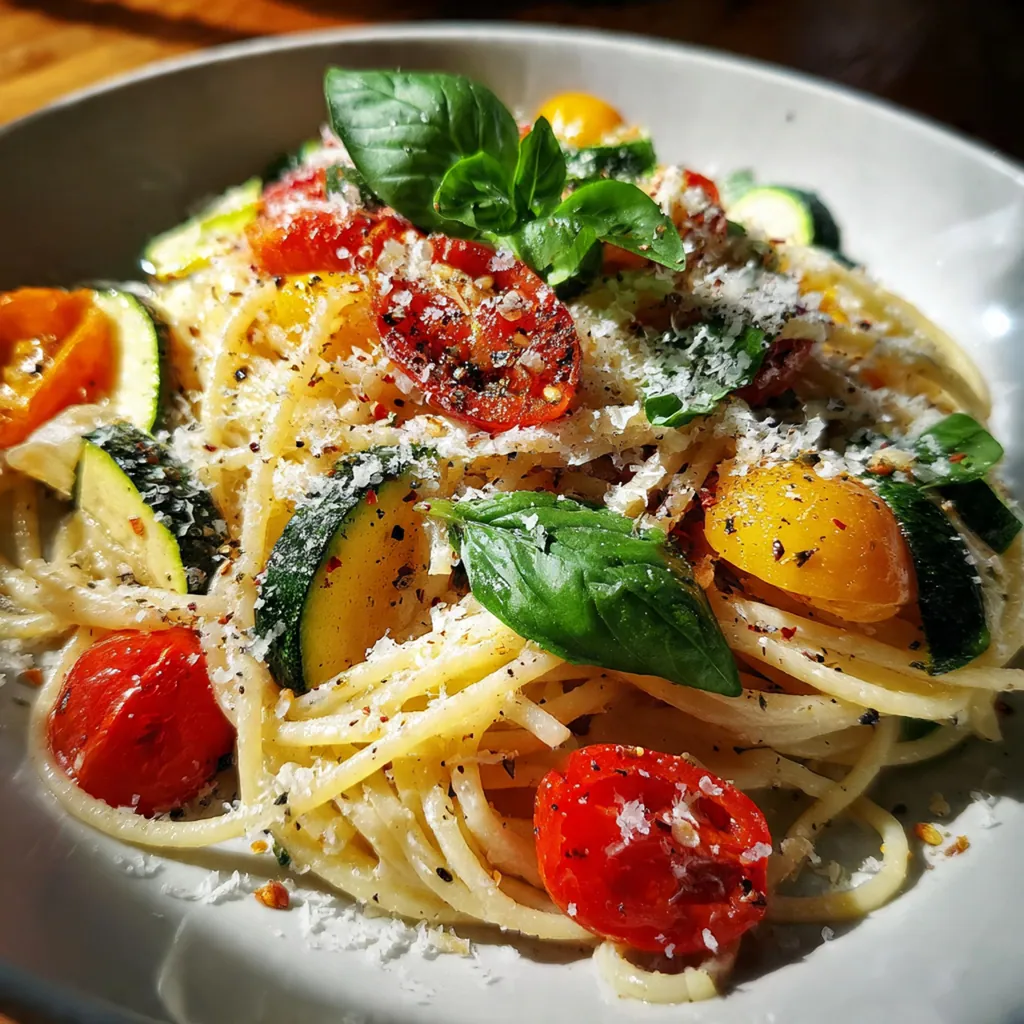
Give the dish a final generous seasoning with salt and black pepper. Divide it among your plates and garnish with the remaining cheese, toasted pine nuts, and extra basil. Serve it right away while it’s perfectly warm and fresh.
You Must Know
- Always reserve a cup of pasta water before draining
- Salt your boiling water well to season the spaghetti
- Add the zucchini last to keep its texture
- Finish the dish off the heat to keep herbs bright
- It’s a recipe that truly celebrates summer produce
Storage Tips
Store any leftovers in an airtight container in the fridge for up to three days. The pasta will absorb the sauce, so when you reheat it, do so gently in a skillet with a tablespoon or two of water or broth to loosen everything up again. I don’t recommend freezing this one, as the fresh vegetables and herbs lose their delightful texture and brightness. It’s always best enjoyed the day it’s made, but the leftovers still make a fantastic quick lunch.
Ingredient Substitutions
You can easily swap the vegetables based on what’s in your garden or fridge. Thinly sliced bell peppers or a handful of fresh corn kernels would be wonderful additions. If you don’t have Pecorino Romano, a good Parmesan or even a salty feta works beautifully. For a vegan version, just use your favorite plant-based Parmesan alternative. No mint? Try fresh parsley or even a little chopped chive. The beauty of this gluten-free summer spaghetti is its flexibility.
Serving Suggestions
I love serving this pasta with a simple arugula salad dressed in lemon vinaigrette for a double dose of brightness. For a more substantial meal, add some grilled chicken, shrimp, or even a can of drained white beans tossed right into the skillet. A slice of crusty gluten-free bread is perfect for mopping up the last bits of sauce on your plate. It also pairs wonderfully with a chilled glass of Pinot Grigio or a sparkling lemonade on a warm evening.
Cultural Context
This dish is inspired by the Italian tradition of ‘pasta primavera,’ which literally means ‘spring pasta.’ It’s a celebration of the season’s first harvest, where the vegetables are meant to be the star. You’ll find similar preparations all over Italy in the warmer months, emphasizing simplicity, fresh produce, and letting each ingredient shine. It’s a philosophy of cooking that I fully embrace—minimal fuss for maximum flavor. This gluten free summer spaghetti is my homage to that vibrant, sun-drenched way of eating.
Pro Tips
- Gluten-free pasta can be sticky, so toss it with a bit of oil after draining if not using im…
- Taste your cherry tomato before adding—its sweetness will determine how much lemon juice you…
- Use a vegetable peeler to quickly julienne the zucchini if you don’t have a spiralizer
- I always double the recipe because it disappears fast
Frequently Asked Questions
Brown rice or a corn-based gluten-free spaghetti blend works beautifully. These options hold their texture well and don’t become mushy, providing the perfect base to carry the light summer sauce and fresh vegetables.
It’s best served fresh. However, you can prep the vegetables and sauce components ahead. Cook and toss the pasta just before serving to maintain the ideal texture and prevent it from absorbing all the vibrant sauce.
For a similar salty, savory note, you can use regular Parmesan cheese. For a dairy-free or vegan version, a high-quality vegan Parmesan alternative or nutritional yeast works well to finish the dish.
The squash and zucchini should be tender-crisp, about 3-5 minutes of sautéing. The cherry tomatoes should just start to soften and release their juices. You want them to retain their shape and not become mushy for the best texture.
Keep the Italian summer theme going. Serve with a simple arugula salad, crusty gluten-free bread for dipping, and a glass of crisp white wine like Pinot Grigio for a complete, satisfying meal.