


This classic homemade lasagne has been the star of my Sunday dinner table for as long as I can remember, just like it is in so many Italian kitchens. It’s the ultimate comfort food, built on layers of rich meat sauce, a creamy béchamel, and gooey melted cheeses that come together in perfect harmony. You’ll find this traditional Italian recipe is surprisingly approachable to make from scratch, and the result is a hearty, satisfying meal that truly feeds both the body and the soul. Making a lasagne this good is a labor of love that’s absolutely worth every minute.
Why You'll Love This Recipe
- It’s the ultimate hearty and comforting dish for cold nights or big family gatherings
- You get incredible layers of flavor from the savory meat sauce and creamy béchamel
- It feeds a crowd and the leftovers are arguably even better the next day
- Honestly, it’s the kind of impressive home-cooked meal that makes everyone feel special
Ingredients You’ll Need
- Olive oil: You’ll use this to sauté your aromatics; a good extra virgin olive oil adds a lovely fruity base note to your sauce.
- Large onion: Finely chopping your onion ensures it melts into the sauce, providing a sweet foundation that balances the tomatoes.
- Garlic: Freshly minced garlic is non-negotiable for that punch of authentic, aromatic flavor you can’t get from powder.
- Ground beef: Opt for 80/20 or 85/15 beef for the best flavor and just enough fat to keep the sauce rich and juicy.
- Tomato paste: Cooking this for a minute caramelizes it, deepening the tomato flavor and giving your sauce a gorgeous red color.
- Crushed tomatoes: The base of your ragù; look for a good quality brand with no added sugars or excessive seasoning.
- Dried basil and oregano: These classic Italian herbs are the backbone of the sauce’s aroma; crush them in your palm to release their oils.
- Salt and black pepper: Season in layers, starting with the sauce, to build a perfectly seasoned dish from the inside out.
- Unsalted butter: Using unsalted butter for the béchamel lets you control the salt level in your final creamy sauce.
- All-purpose flour: Whisking it into the melted butter creates a roux, which is what thickens your béchamel to a silky consistency.
- Whole milk: Warming the milk before adding it to the roux prevents lumps and creates a smoother, richer sauce.
- Ground nutmeg: Just a pinch is the secret weapon in béchamel, adding a warm, complex note that complements the cheese beautifully.
- No-boil lasagne noodles: These are a game-changer, saving you time and ensuring even, perfectly cooked layers without the pre-boiling mess.
- Shredded mozzarella cheese: This is your melty, stretchy layer; I like to buy a block and shred it myself for better melting.
- Grated Parmesan cheese: Use the good stuff, freshly grated from a wedge, for a salty, nutty kick that pre-grated can’t match.
- Fresh basil leaves: A garnish of torn fresh basil added just before serving brings a pop of color and bright, herbal freshness.
How to Make It
Preheat and Prep Your Dish:
Start by preheating your oven to 375°F and greasing your 9×13 inch baking dish. Doing this first means your oven is ready to go the moment your lasagne is assembled, and the greasing prevents any tragic sticking.
Cook Your Aromatics:
Heat the olive oil in your large pot over medium heat and add the chopped onion. You want to cook it until it’s soft and translucent, which takes about five to seven minutes, then stir in the garlic for just a minute until it smells amazing.
Brown the Ground Beef:
Add the ground beef to the pot, breaking it up with your spoon as it cooks. Let it get a good sear and cook through until it’s no longer pink, which is about eight to ten minutes, then you can drain off any excess fat if you like.
Build and Simmer the Meat Sauce:
Stir in the tomato paste and let it cook for a full minute to deepen its flavor. Then, pour in the crushed tomatoes, dried herbs, salt, and pepper. Bring it to a simmer, then reduce the heat and let it bubble gently for twenty minutes to develop a rich, thick consistency.
Craft the Béchamel Sauce:
While the meat sauce simmers, melt the butter in a separate saucepan. Whisk in the flour and cook the roux for a minute or two until it’s golden. Gradually pour in the warm milk, whisking constantly until smooth, then keep whisking until the sauce thickens nicely, about five to seven minutes. Take it off the heat and stir in the nutmeg.
Assemble the First Layers:
Now for the fun part. Spread about one cup of the meat sauce on the bottom of your prepared dish. Lay down four no-boil noodles, then spread a third of the remaining meat sauce, a third of the béchamel, and a third of both cheeses over them.
Repeat the Layering Process:
Create two more identical layers exactly like the first: noodles, meat sauce, béchamel, and cheeses. Make sure your final top layer is covered with a beautiful, even blanket of the mozzarella and Parmesan.
Bake to Bubbly Perfection:
Cover the dish tightly with aluminum foil and bake for 25 minutes. This steams the noodles and melts everything together. Then, remove the foil and bake for another 15 to 20 minutes so the top gets gloriously golden and bubbly.
Rest, Garnish, and Serve:
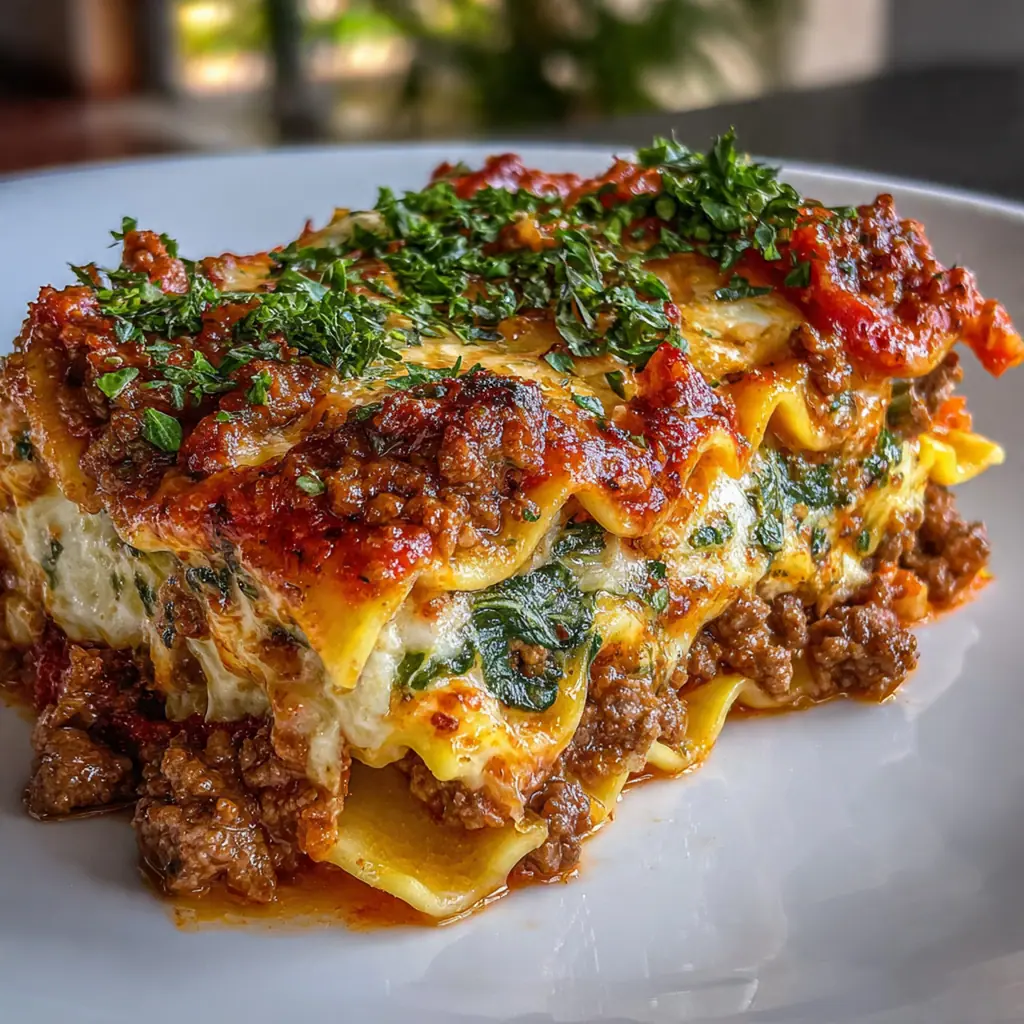
This is the hardest but most important step. Let the lasagne rest on the counter for a full 15 minutes before you even think about slicing it. This allows the layers to set so you get clean, beautiful pieces. Then, scatter fresh basil on top and serve it up.
You Must Know
- Letting the meat sauce simmer is non-negotiable for deep flavor
- Resting the baked lasagne is the key to picture-perfect slices
- Freshly grated cheeses melt smoother and taste infinitely better
- I never skip the nutmeg in my béchamel
Storage Tips
You can store leftover lasagne in an airtight container in the fridge for up to five days, and I find it reheats beautifully in a 350°F oven until warmed through, which keeps the texture far better than the microwave. For longer storage, you can freeze individual portions or the whole pan; just wrap it tightly in a couple layers of plastic wrap and then foil, and it’ll keep for about three months. Thaw it overnight in the fridge before reheating, and you’ve got a fantastic homemade meal ready in no time, often tasting even better as the flavors continue to mingle.
Ingredient Substitutions
If you’re avoiding beef, ground turkey, pork, or a plant-based crumble work well in the sauce, though you might want to add a splash of olive oil for fat. For a gluten-free version, simply swap in your favorite gluten-free no-boil lasagne noodles and use a 1:1 gluten-free flour blend for the béchamel. Dairy-free alternatives like plant-based butter, milk, and shreddable cheeses can be used, but look for brands that melt well. In a pinch, you can use a good quality jarred marinara and skip the simmering step, though a homemade sauce really does make all the difference.
Serving Suggestions
I always serve a big wedge of this lasagne with a simple, crisp green salad dressed in a tangy Italian vinaigrette to cut through the richness, and some warm, buttery garlic bread on the side for dipping into any extra sauce. A glass of medium-bodied red wine like a Chianti or Sangiovese pairs perfectly with the hearty meat and tomato flavors, making the whole meal feel like a special occasion. For a lighter touch, some roasted seasonal vegetables or a simple antipasto plate of olives and marinated artichokes round everything out beautifully.
Cultural Context
This style of lasagne, layered with a meat ragù and béchamel sauce, is a hallmark of the Emilia-Romagna region in Northern Italy, often referred to as ‘lasagne alla Bolognese.’ It’s a celebratory dish, traditionally reserved for Sundays and holidays, meant to be shared with family around a big table. While many American versions use a ricotta cheese layer, the authentic version from Bologna relies on this luxurious, creamy béchamel to bind the pasta and meat sauce together, creating a more elegant and cohesive texture. Making it from scratch is a wonderful way to connect with that tradition of taking time to create something truly special for the people you love.
Pro Tips
- Warm your milk before adding it to the roux for a lump-free béchamel
- Simmer the meat sauce for the full time to develop complex flavor
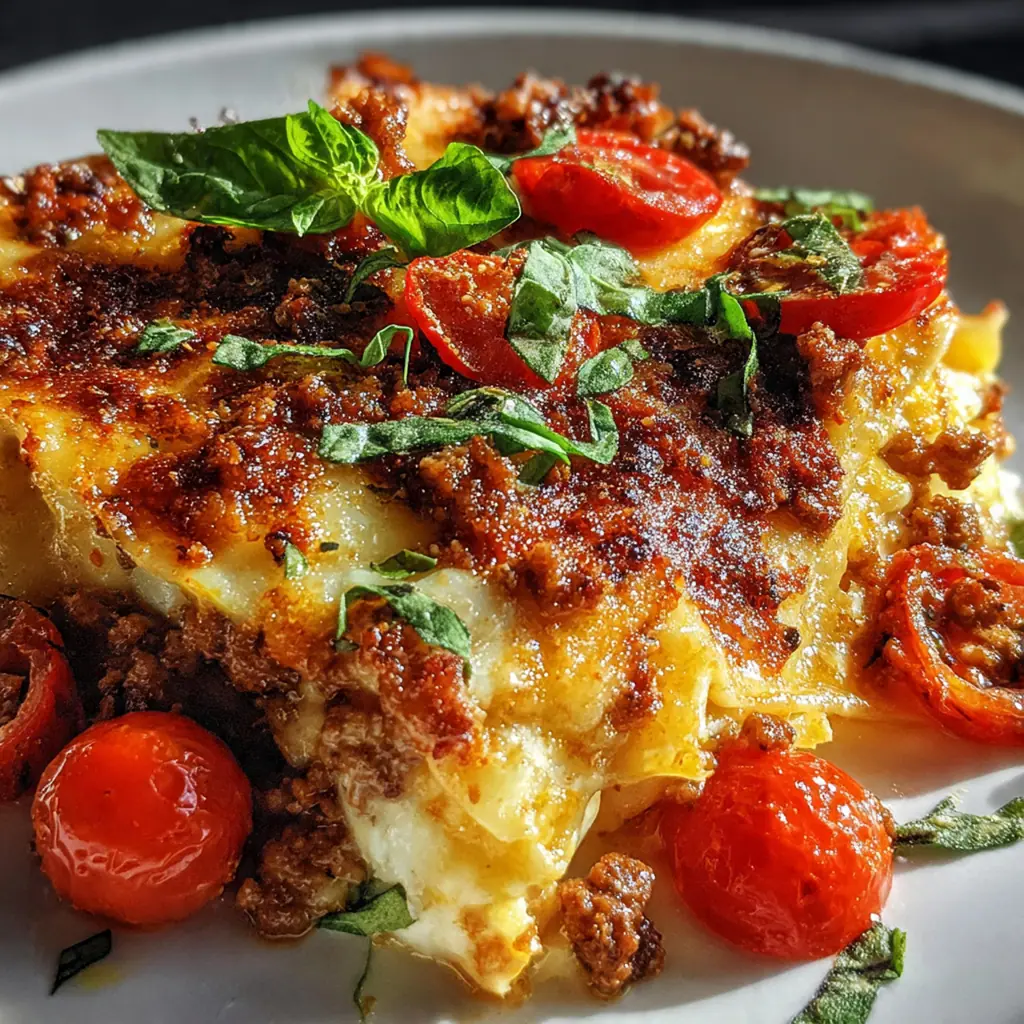
- Let the assembled dish rest before slicing for clean layers
- Freshly grate your cheeses for superior melting and taste
Frequently Asked Questions
This classic lasagne recipe uses one pound of ground beef for a rich, savory flavor. For an even more traditional taste, you can use a half-and-half mix of ground beef and ground pork, or substitute with ground turkey or a plant-based alternative if you prefer.
Absolutely! You can assemble the lasagne up to 24 hours in advance, cover tightly, and refrigerate it before baking. Just add an extra 10-15 minutes to the bake time if it’s going into the oven cold. You can also freeze the baked and cooled lasagne for up to 3 months.
You can use regular lasagne noodles; just cook them in boiling salted water until al dente (slightly firm) according to package directions. Drain and lay them flat on a clean kitchen towel to prevent sticking before assembling your lasagne. Ensure your sauce has enough liquid so the noodles can absorb it while baking.
The lasagne is done when the top is golden brown and bubbly, and the cheese is fully melted. Insert a knife into the center; it should go through the layers with little resistance. Let it rest on the counter for at least 10 minutes before cutting to allow the layers to set, which makes for cleaner slices.
Lasagne is a complete meal, but it pairs wonderfully with a simple green salad with Italian dressing, garlic bread, or roasted vegetables like asparagus or broccoli. For an authentic Italian touch, a light, red wine like Chianti complements the rich tomato and meat flavors perfectly.